Farinelli
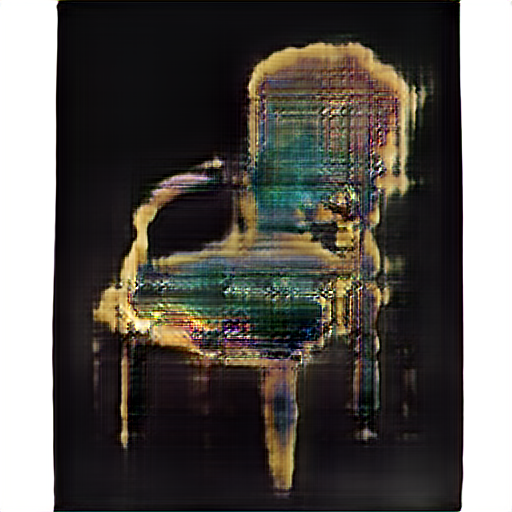
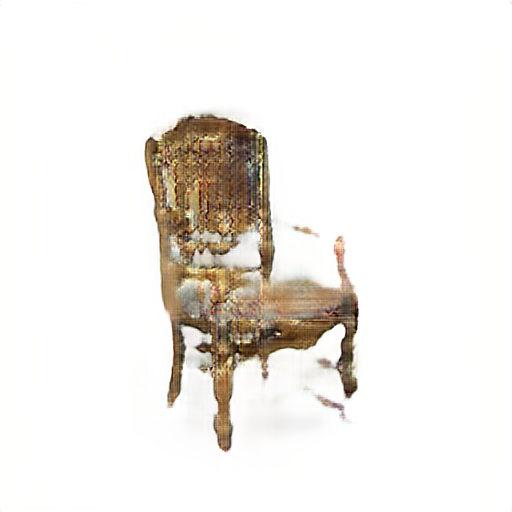
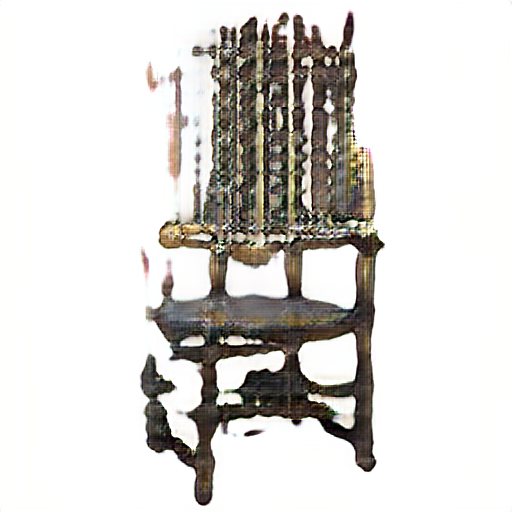
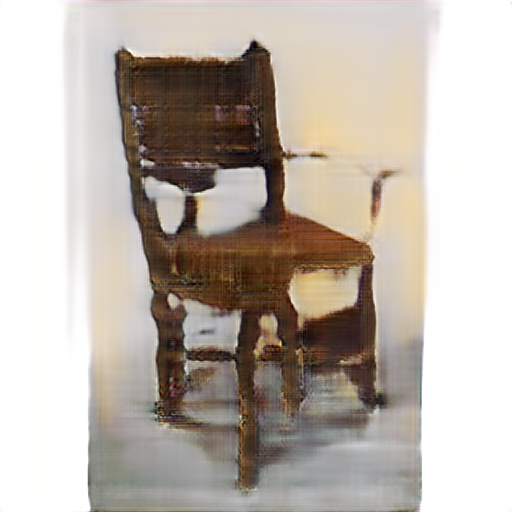
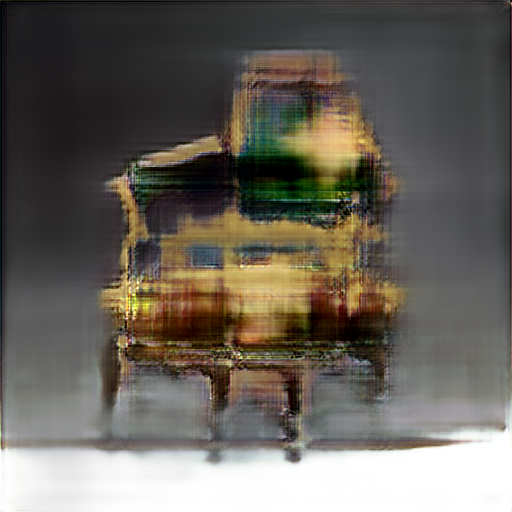
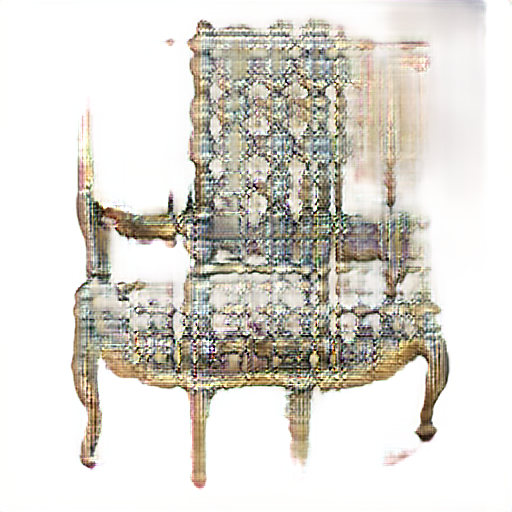
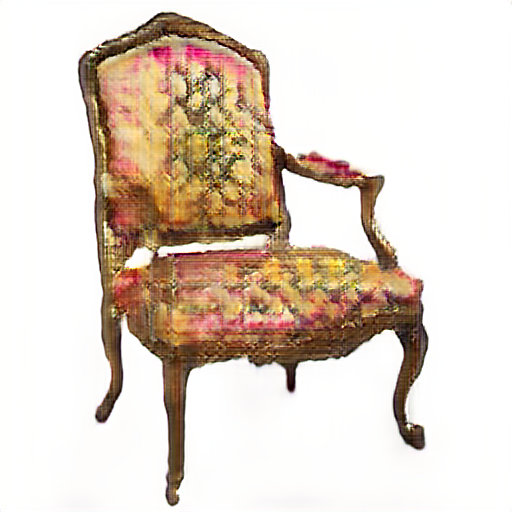
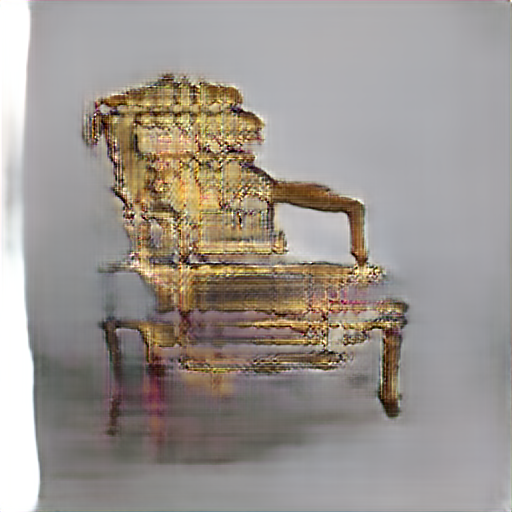
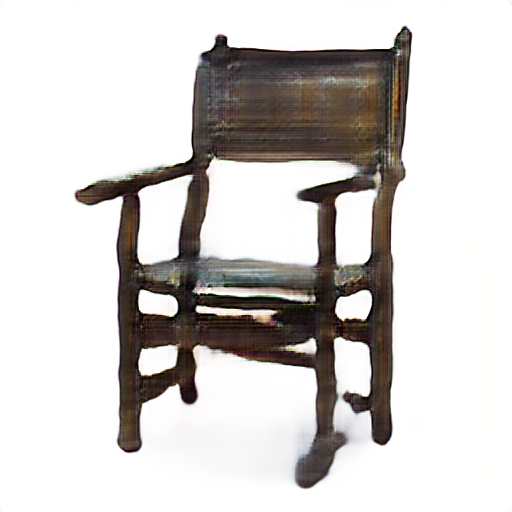
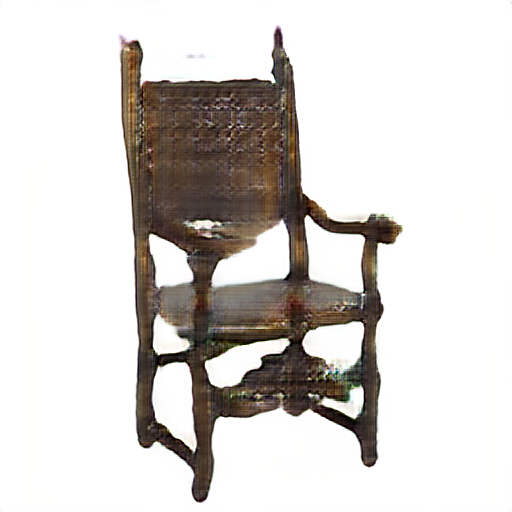
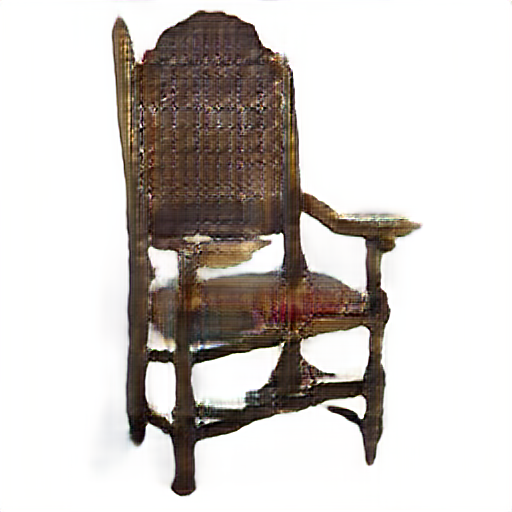
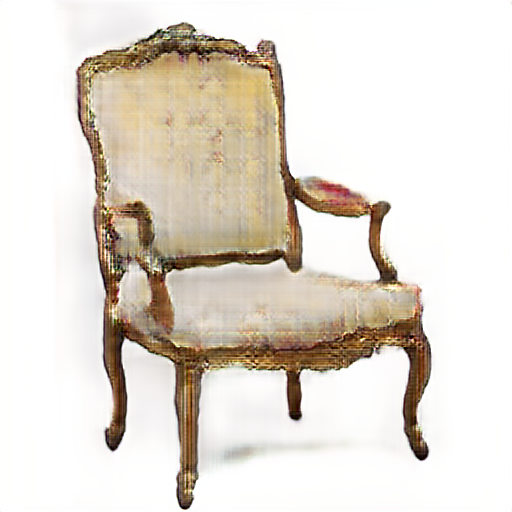
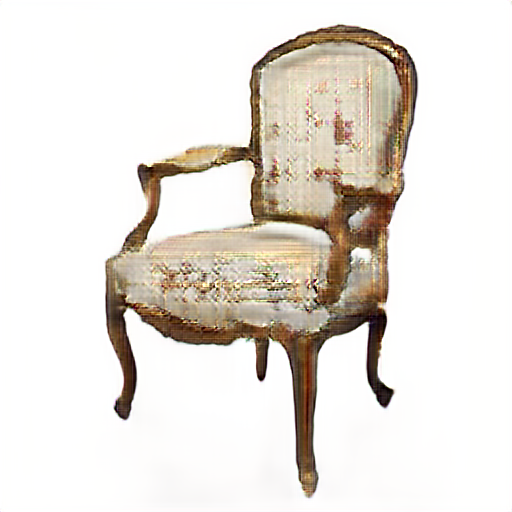
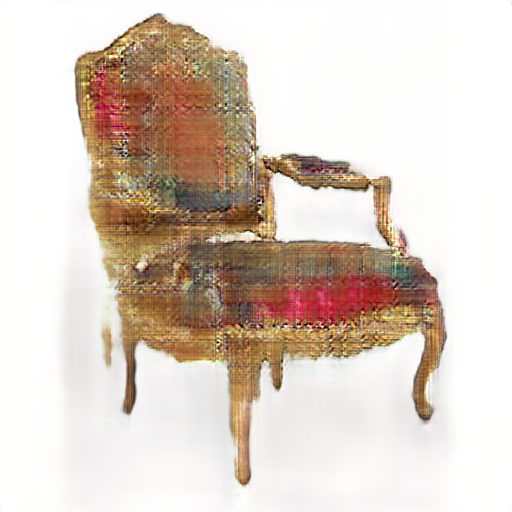
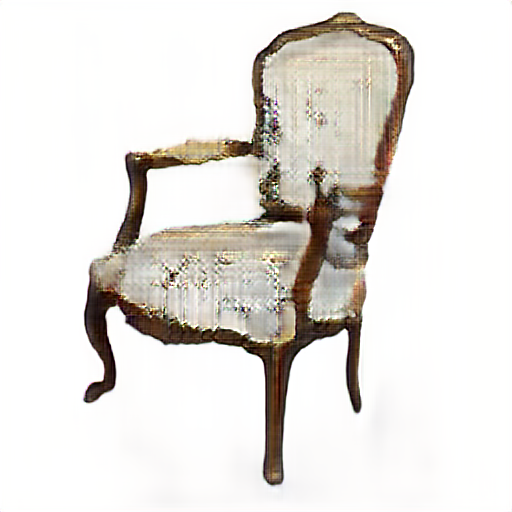
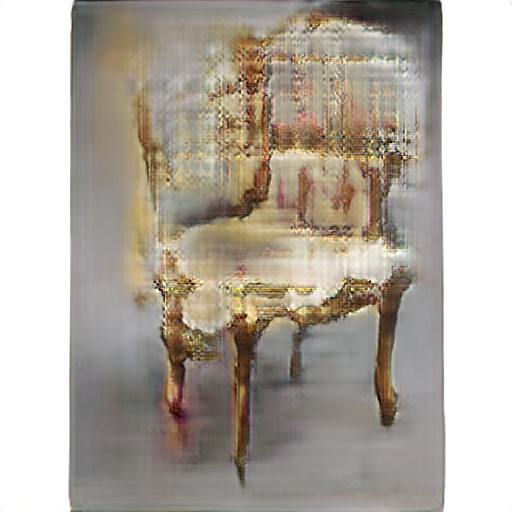
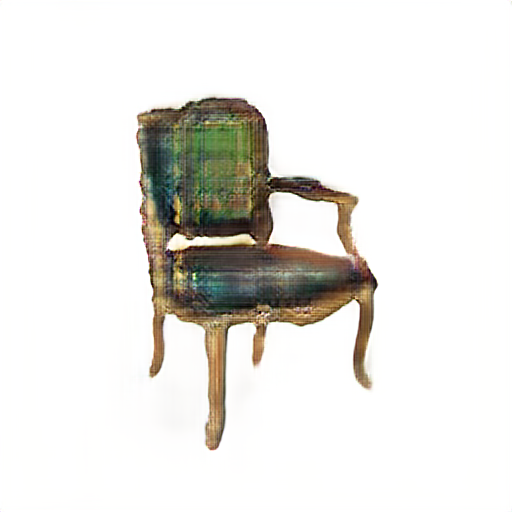
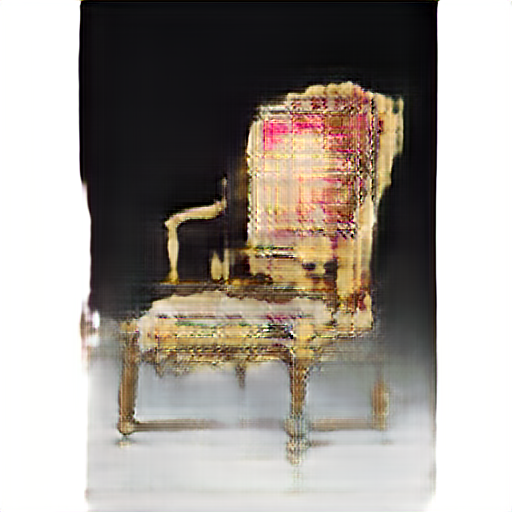
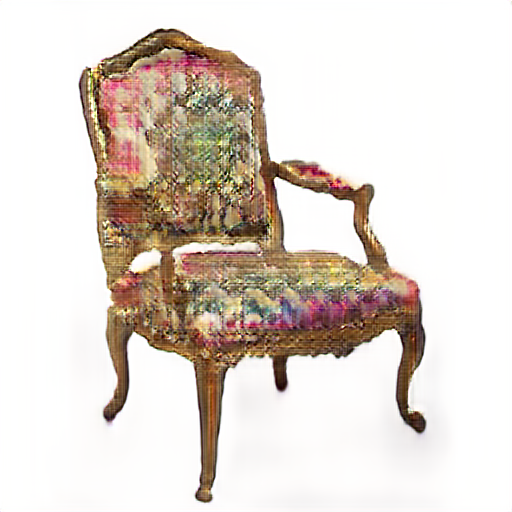
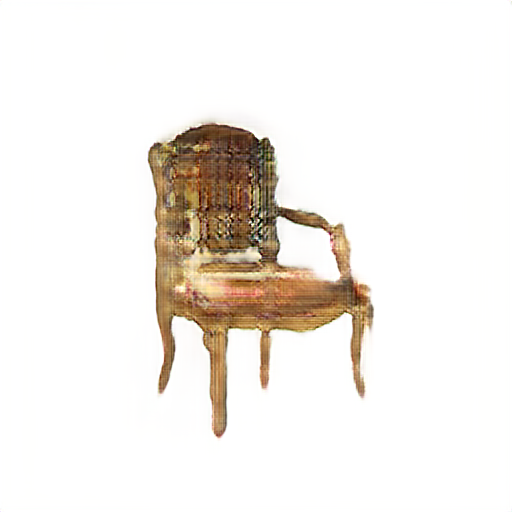
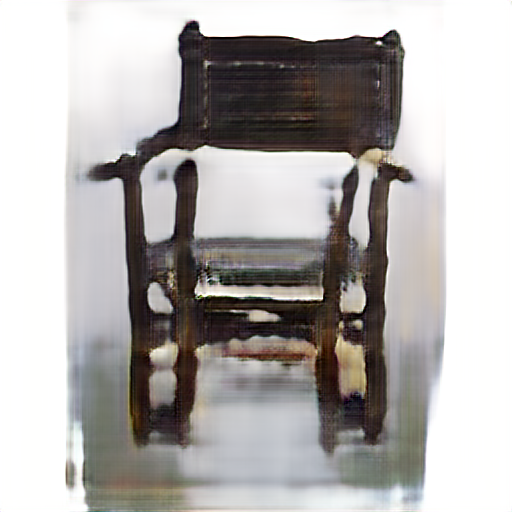
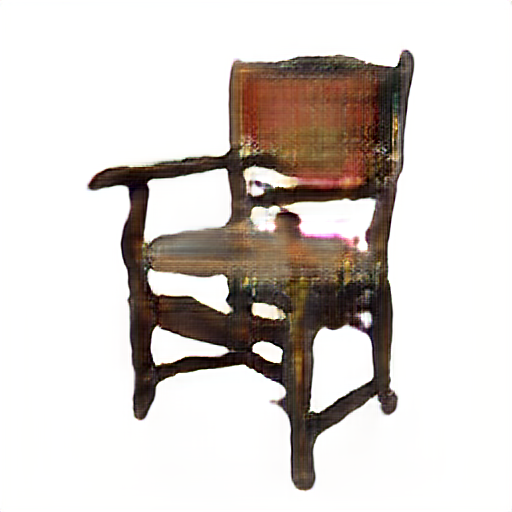
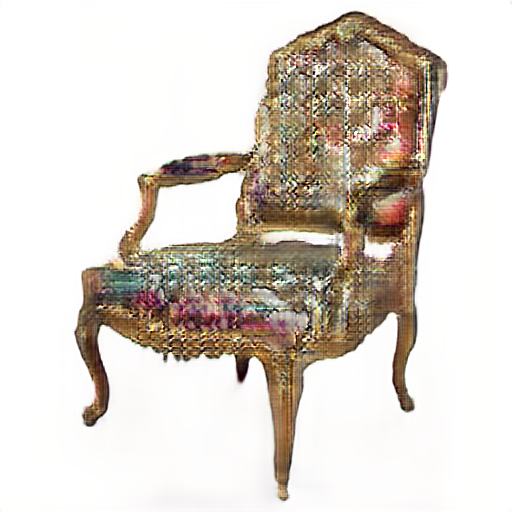
This series of digital artworks were produced in collaboration with the artist Judith Deschamps as part of her work centered around the Italian singer Farinelli. These videos and images were generated using NVIDIA's Progressive GAN algorithm, trained off of a dataset of 18th century French and Spanish chairs.
Judith Deschamp's installation depicts the ritual which, from 1736 to 1746, linked the Italian singer and castrato Farinelli to Spanish King Philip V. Throughout these years, Farinelli was enlisted every night to sing for the King, with the aim of alleviating the melancholy that besieged him. The King’s favorite aria was Quell'usignolo che innamorato by Geminiano Giacomell, its melody imitating the sound of the nightingale.
Hailing from a time in where grooming castrato singers was common-practice, Farinelli’s voice was unique in being able to cover three octaves, and was frequently compared to that of an angel. In more recent years, many have sought to recreate Farinelli’s elusive voice. Following some of these strategies, Judith Deschamps merges voices of countertenor and soprano singers, and uses artificial intelligence. Able to reproduce a range of voices from pre-existing audio, and make it ‘sing', the algorithm the artist engages reflects the body-instrument of Farinelli, capable of generating sounds that a human no longer is capable of producing.
In transposing this story today, the artist seeks to highlight the strong (and at times desperate) faith placed in technology today. The existence and the popularity of the ageless and angelic castrato voices were deeply linked to the fear of the body, its decay, the finitude of the human condition. It is this link that Judith Deschamps is interested in, and the parallel that could be made between these voices and the fascination for technological prowess today.